Engagement rate increase by 33% for fintech website

UX/UI design and customer research for Swiss fintech development company S-PRO
#Case study
S-PRO Fintech Website Design Case Study by Craft Innovations - Cover

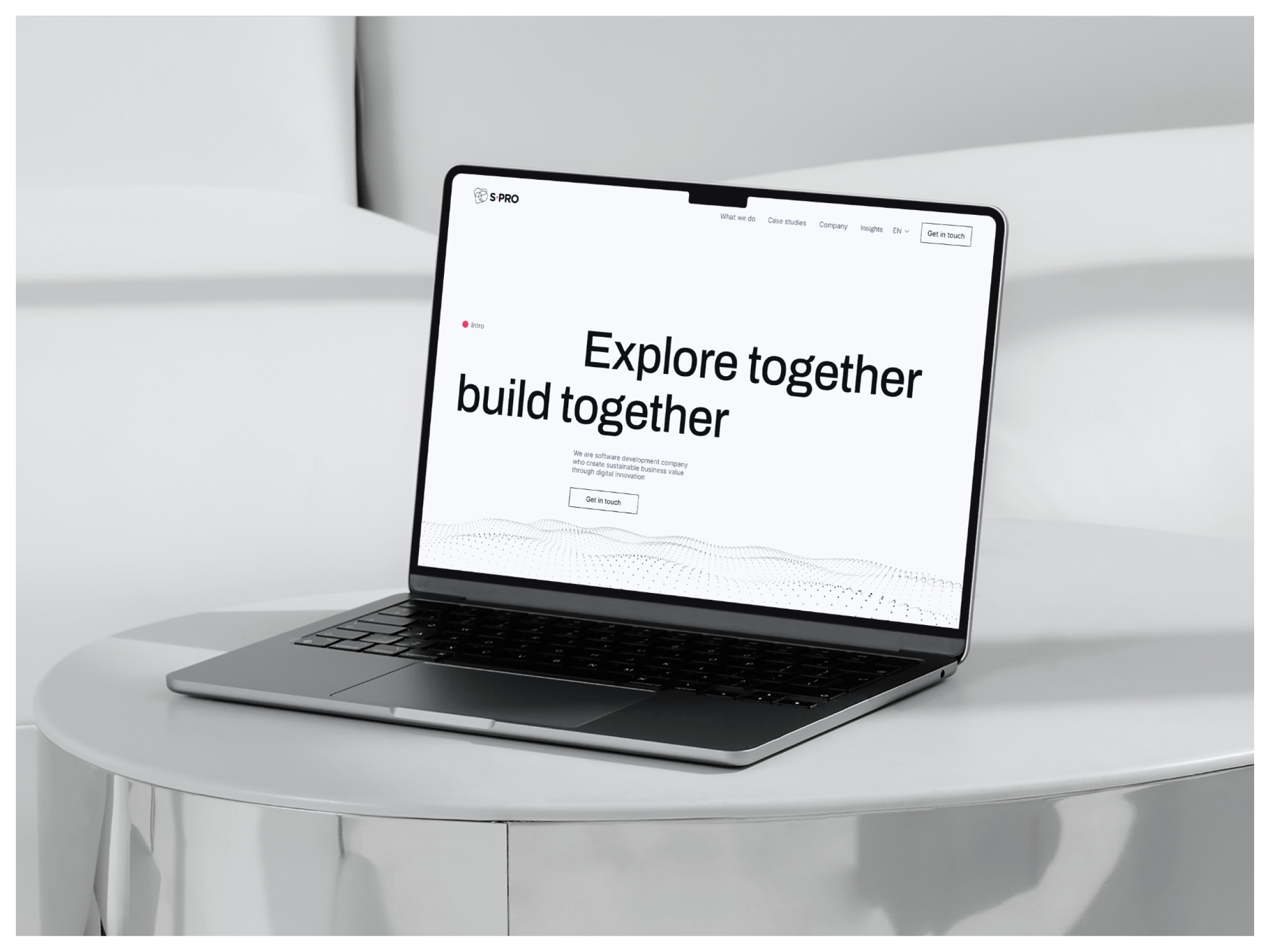
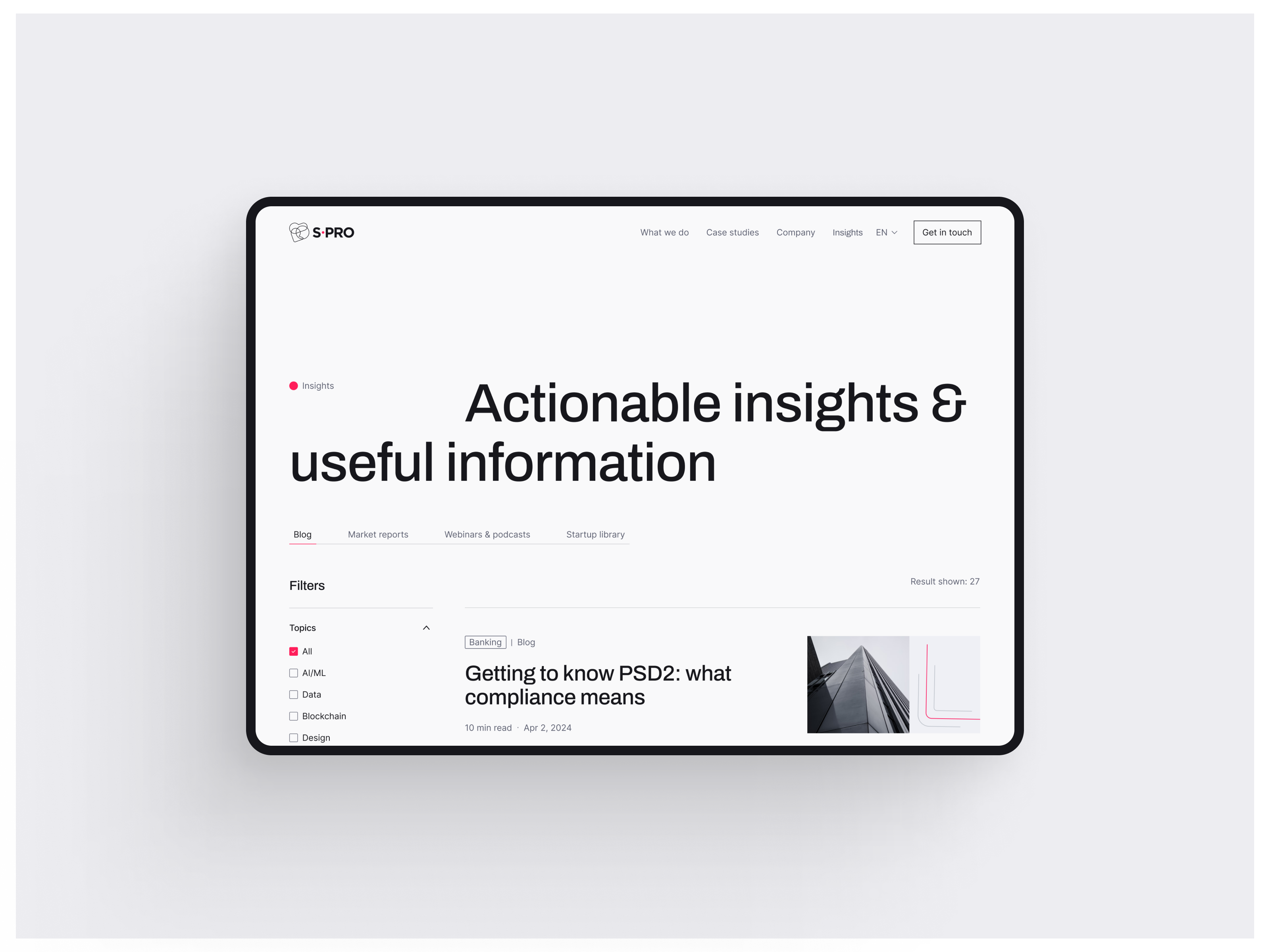
Our team helped S-PRO reshape its brand perception to a more mature one. Through thoughtful UX/UI design, we not only changed emotional appeal, but increased overall website usability, micro-conversions, and improved lead generation.
Logo
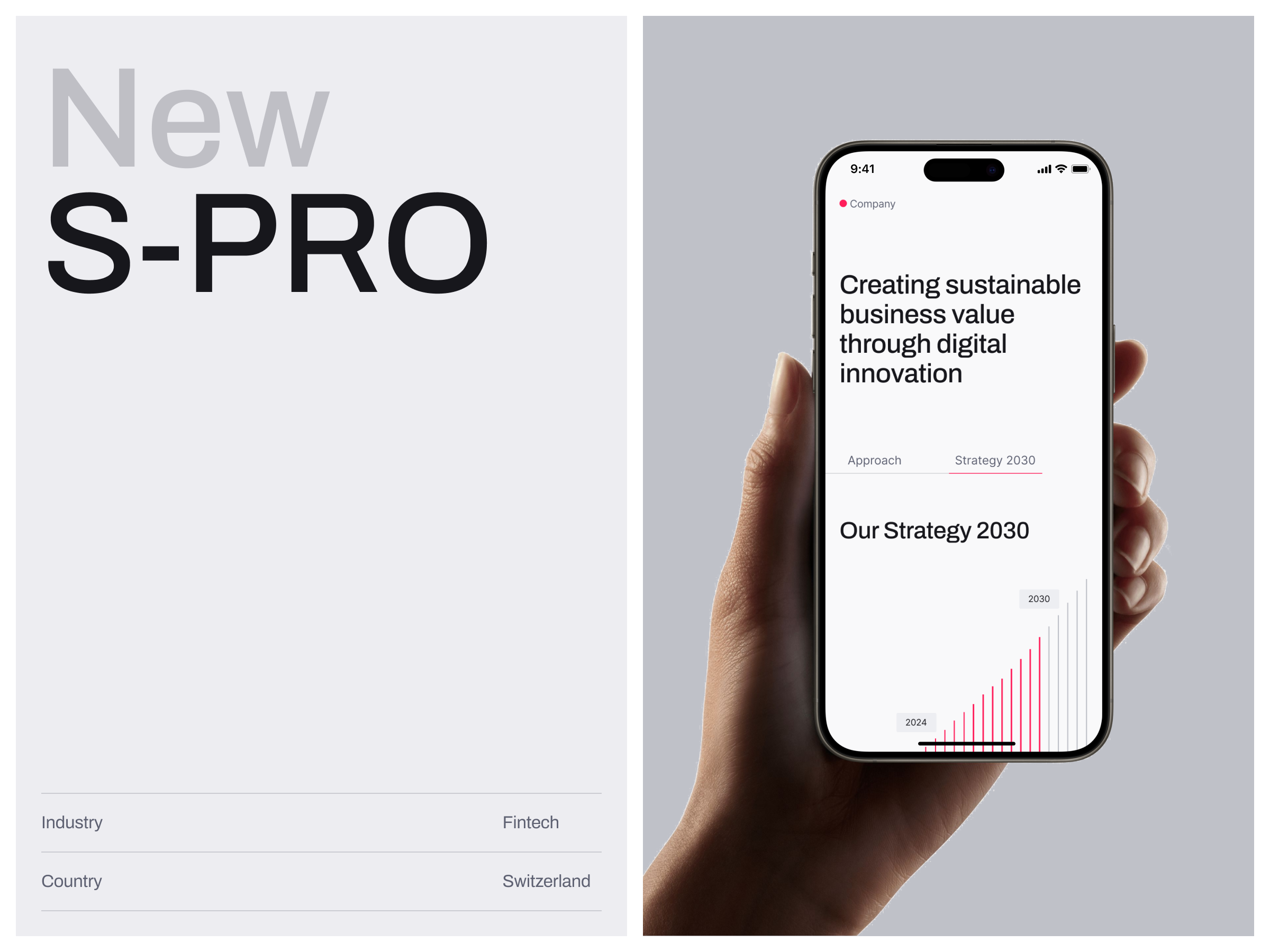
  • Client
    S-PRO
  • Location
    Switzerland
  • Industry
    Fintech
  • Timeline
    4 months

About the Client

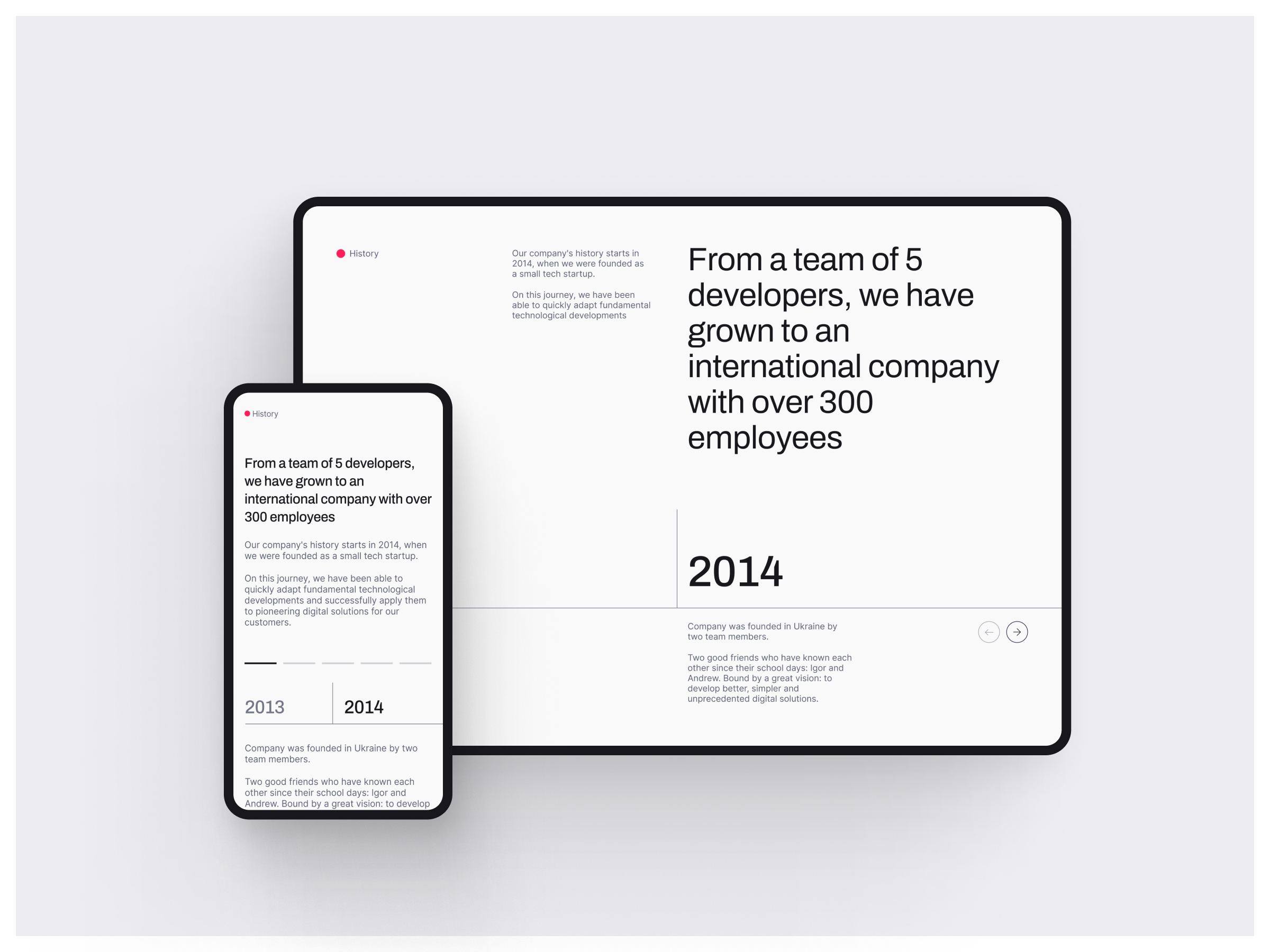
S-PRO is a Swiss fintech software development company with 10+ years of proven expertise in the field. The company achieved 78% annual growth, which marked the shift from startups focus to enterprise partnerships. To reflect this evolution, S-PRO underwent rebranding, followed by a complete website redesign by our team.

Project Goals

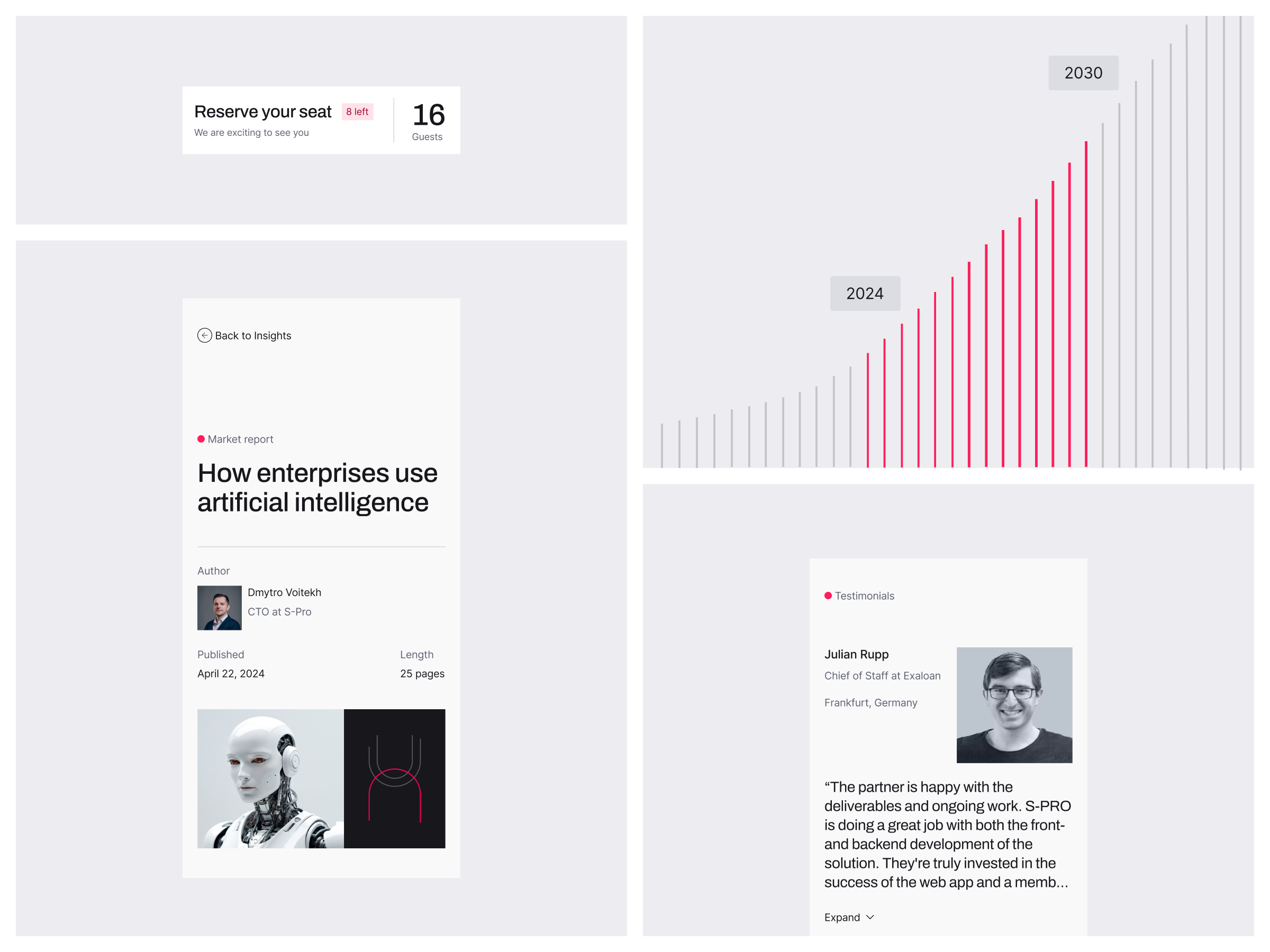
The primary goal was a UX design for fintech site that reflects S-PRO’s evolution into a mature and reliable Swiss partner, trusted by financial institutions and enterprise clients worldwide. This emotional aspect aimed to elevate the brand perception as a credible and experienced company.

Balancing these cognitive demands, the new design also needed to address usability for various client personas, simplify navigation, improve conversions such as engagement rate, CTR, average session duration, contact form submissions, and bounce rate.

Challenges

The initial project goal was crystal clear, but the real challenge lay beneath the surface.

After 10 years of operations, the corporate website had grown into a huge structure with a lot of commercial pages and blog posts.  It was overloaded with redundant information and 50+ landing pages. Many pages were repetitive and lacked differentiation, leading to inconsistency and a disjointed user experience.

The challenge was to declutter and restructure the site while preserving the SEO strategy. This involved carefully maintaining the number of content with essential keywords and pages that drive client traffic, ensuring uncompromised functionality and discoverability.


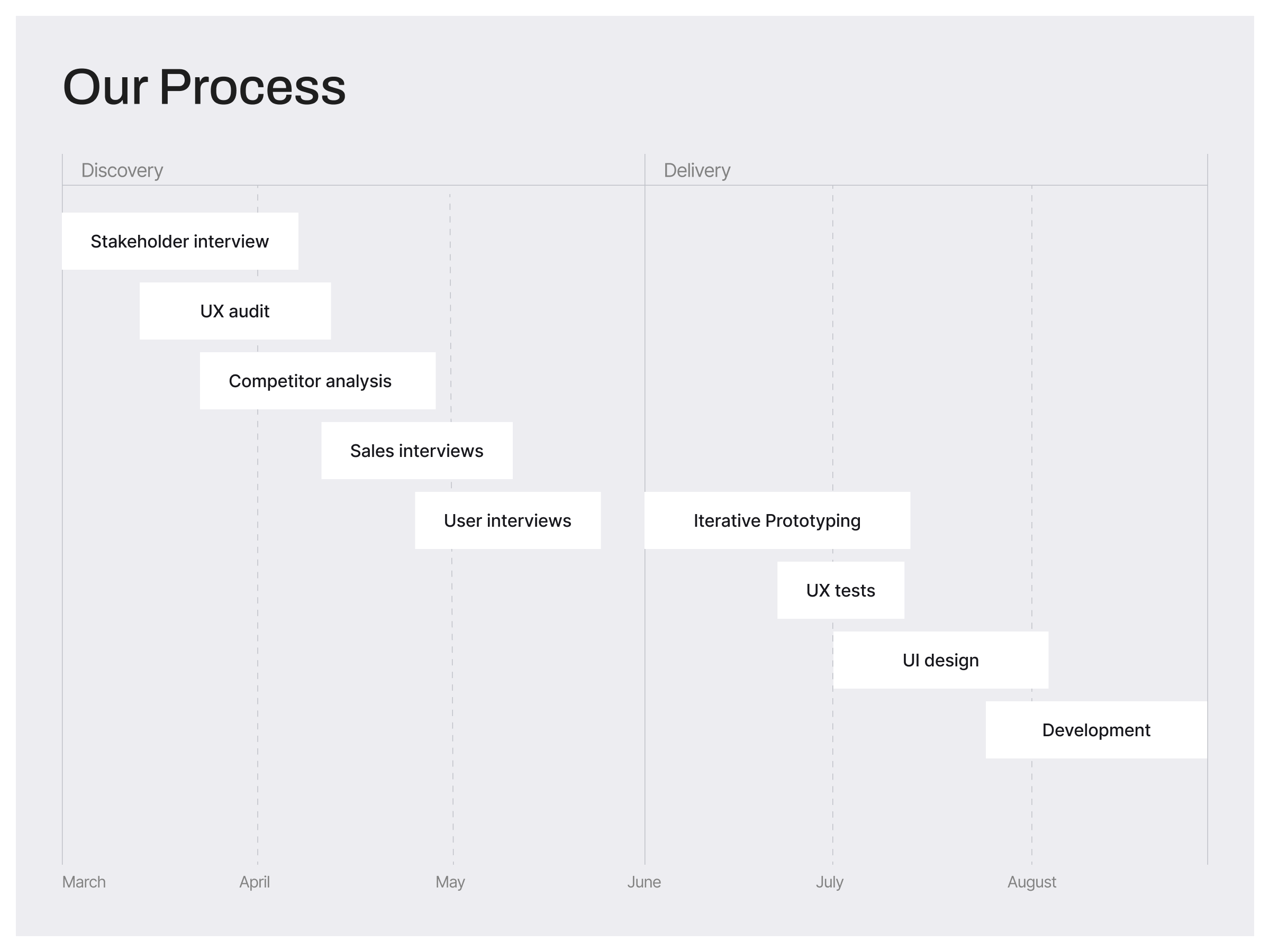
Process explained

  1. We began with a kick-off meeting to align on project goals, timelines, and deliverables. This session set the tone for the project and ensured all stakeholders – CEO and CMO of S-PRO – were on the same page about the desired outcomes.
  2. The research and discovery phase involved in-depth interviews with stakeholders, including not only CEO and CMO, but also the sales team and S-PRO’s clients. Together, we gathered insights into target audiences, typical buyer personas, client inquiries, and pain points. At this stage, we also conducted competitors research and brainstormed strategies to improve website conversions and lead generation.
  3. We analyzed how clients discovered S-PRO, the factors that influenced their decision-making, and what they valued in the service. This helped uncover opportunities to improve website usability and provide quick answers to frequent inquiries.
  4. Using insights from research, we developed wireframes and prototypes to visualize the design strategy. Our goal was to help potential clients grasp the key information about S-PRO quickly.
  5. We conducted usability testing, including a 5-second test, to evaluate the initial impressions of the home and service pages. This ensured the design resonated with visitors and effectively communicated the brand’s message.
  6. Constant feedback and refinement are integral parts of every process. 🙂
  7. The final step was design delivery and website release. We created a visual design that reflected S-PRO’s brand maturity, prioritized conversions, and effectively addressed client inquiries. While we don’t have in-house developers, we collaborated with our WordPress development partners to deliver high-quality results, as was the case here.
  8. After 3 months post-release, we’re excited to share tangible before-and-after results of this UX design for fintech:
  • 33% improvement in engagement rate
  • 15% decrease in bounce rate 
  • 24% longer average time per session 

Methods we applied

  • UX audit
  • Competitor analysis
  • User & sales interviews
  • Wireframing
  • UX tests (e.g. 5-second testing)
  • Iterative prototyping
  • Co-design session facilitation
  • Web development and performance optimization

Team behind the project

Lead designer led all design processes, presented solutions to stakeholders.

Strategic designer oversaw the project’s design strategy, planning, execution.

Project manager acted as the primary point of contact between teams.

UX/UI designer assisted with prototyping, smooth handoff for development.