What role does environmental responsibility play in the work of a service designer? The core principles of service design say that the human being is the center around which a product or service is built.
Wikipedia defines service design as follows:
Service design is the activity of planning and organizing people, infrastructure, communication, and physical components of a service in order to improve its quality and the interaction between service providers and customers.
It’s also worth adding that a service is the act of delivering value to a customer by meeting a conscious need.
But here’s the question. In our pursuit of meeting the needs of some people, are we – as service designers – overlooking something important?
I believe our responsibility goes beyond caring about customer “NPS” (Net Promoter Score)… doesn’t it?
Design for the Environment
Understanding Design for the Environment (DfE). DfE is an approach focused on reducing the negative impacts that occur across a product’s life cycle – impacts that affect both the environment and human health. It is an essential part of the product development process.
To evaluate environmental impact, teams use Life Cycle Assessment (LCA), a method that examines how a product or service affects the environment at every stage: material extraction, production, use, maintenance, disposal, and recycling. There are five main directions for applying DfE in practice. Let’s look at them through the lens of service design.
1. Design for Recycling
Design for Recycling – designing products so they can be recycled at the end of their life cycle.
Questions for a service designer:
- How can I increase the share of components in our service that are easy to recycle or reuse?
- How can I reduce the use of plastic?
- How can I communicate the value of these decisions to both customers and the business?
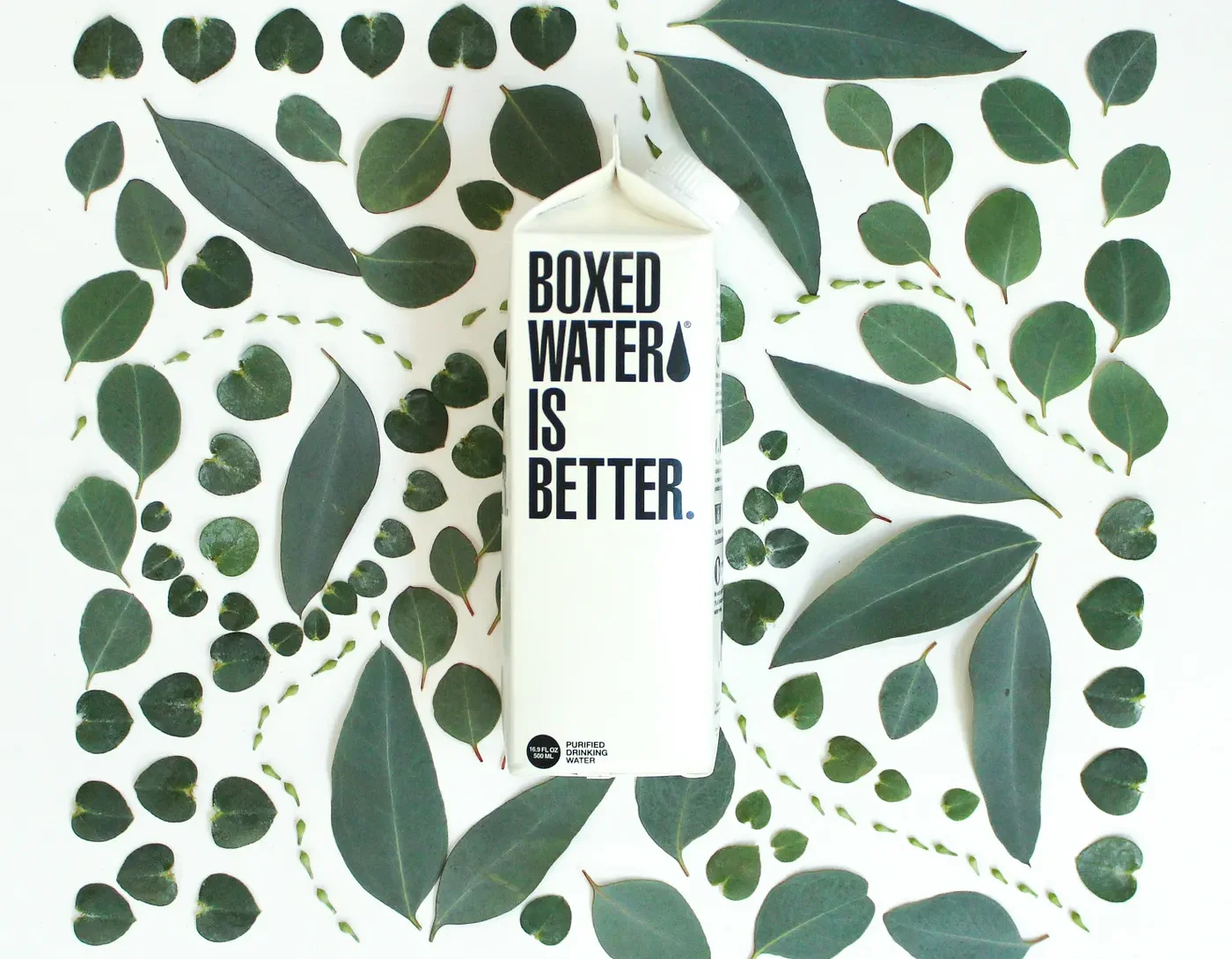
2. Design for Disassembly
The idea is to create products that, at the end of their life, can be disassembled into components for reuse, recycling, or responsible disposal.
Questions for a service designer:
- When designing a service – or physical spaces such as interiors – how can I build in opportunities for materials or components to be reused?
3. Design for Energy Efficiency
Questions for a service designer:
- How can I reduce energy consumption when designing a service?
- How can I reduce CO₂ emissions through service design? For example, by redesigning delivery processes and reducing reliance on fossil-fuel-based transport?
4. Design for Remanufacture
Designing products and processes that allow companies to take back used items from customers, restore them, and resell or reuse them. A clear example is consumer electronics.
Questions for a service designer:
- How can I incorporate product return, restoration, and resale into the service journey?
- What processes need to be designed to support this?
5. Design for Post-Disposability
Since the 1960s, the design world actively promoted the concept of Design for Disposability – designing products for single use. Packaging, razor blades, disposable cups, and similar items became the norm. This shift led to a sharp increase in household waste.
But not that long ago – just 20 years back, when I was a child – people went to buy milk with reusable containers. Our parents remember this well.
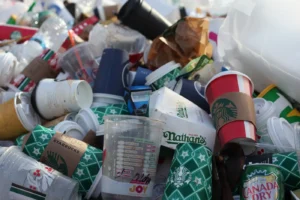
It’s a relatively new direction in design that focuses on minimizing waste generated during product use. Examples include edible packaging or zero-waste kitchens, where meals are prepared using every part of an ingredient – including what would normally be considered waste, such as peels or trimmings.
Questions for a service designer:
- How can I incorporate zero-waste consumption principles into a product or service?
Who should take responsibility for environmental impact – product designers or service designers?

I am confident that both product and service designers can directly influence the environmental well-being of our planet.
A service designer is an agent of change. Our work is grounded in empathy, and the solutions we propose shape human behavior.
By consciously applying Design for the Environment (DfE) principles in our projects, we can influence consumption patterns, reshape value perceptions, and encourage concrete environmentally friendly actions – from both businesses and customers.
I am not an idealist. I understand how business works. But businesses listen to designers. And that is an opportunity we cannot afford to ignore.
Where does DfE fit into the service design process?
DfE principles are most actively applied during ideation and prototyping. But the environmental perspective should appear earlier – already at the ethnographic research stage. This means explicitly addressing environmental topics during in-depth interviews and embedding the right questions into the research process.
Sustainable Service Design.
I believe that in the work of a modern designer, care for the environment should stand alongside care for people. Human-centered design should evolve into human-eco-centered design.